Aviation Research
It is currently 12:20 AM on Saturday, Aug 22, 2026. I have no better way to spend my time and I certainly do not want to spend the next few hours doomscrolling on X so I am going to take this opportunity to map out, in as much detail as possible, the aviation supply chain.
I am going to heavily rely on using AI as a filtering mechanism because I can now absolutely inhale docs with thousands of pages filled with useful information and arrive at interesting findings sooner. I keep a running note on how to research deeply with AI, which I think you might find helpful if you’re into this sort of stuff.
What do I hope to get out of this? I get to train my research muscle and develop a more thorough understanding of a space that I (momentarily) only watch from the sidelines.
Airbus and Boeing
I am going to begin by tackling entities involved in servicing the iconic duopoly. It is helpful to begin by just laying down the things I know. Off the top of my head, I know that an aircraft needs the following:
- Engines
- Avionics
- Physical structures
- Maintenance apparatus
- Software
I could probably get more granular but I think this is a good starting point.
737 Max vs. A320neo
I start off with these products because they represent the latest editions of most popular aircraft families manufactured by each company. As of 2026, a total of 17,497 Boeing 737 aircraft have been ordered worldwide while the Airbus A320neo family has accumulated more than 12,270 total orders globally.
They are both single-aisle aircraft designed for high frequency short and medium haul routes. Airlines use them as fleet workhorses for domestic and regional flights, typically carrying 150-200 passengers. They are positioned for low-cost carriers, network airlines and airlines seeking low operating costs and quick turnaround times.
Engines
The A320neo and 737 Max are both powered by engines created by CFM International. CFM is a joint venture between GE Aerospace and Safran. It is an extremely interesting company on its own and I think it deserves its own deep dive.
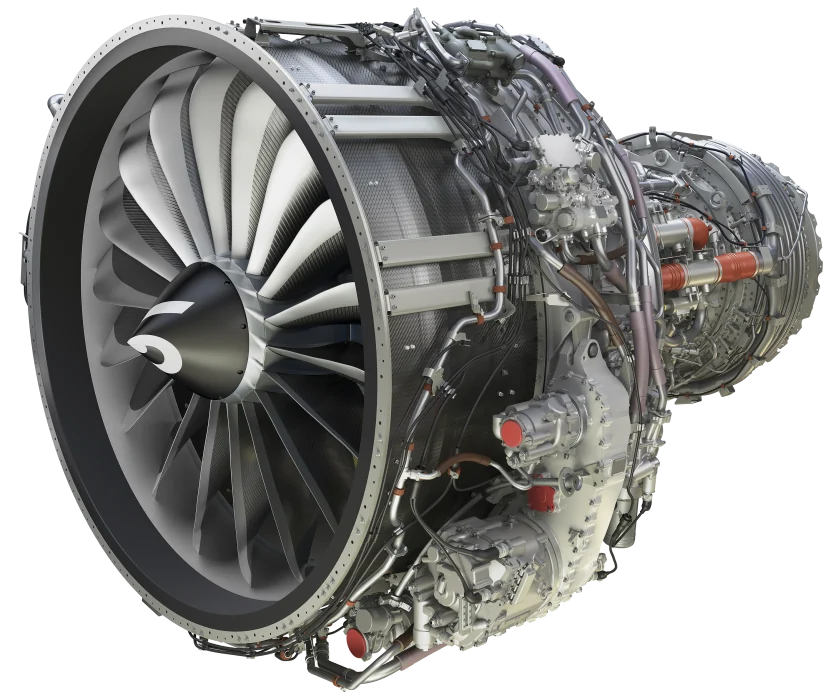
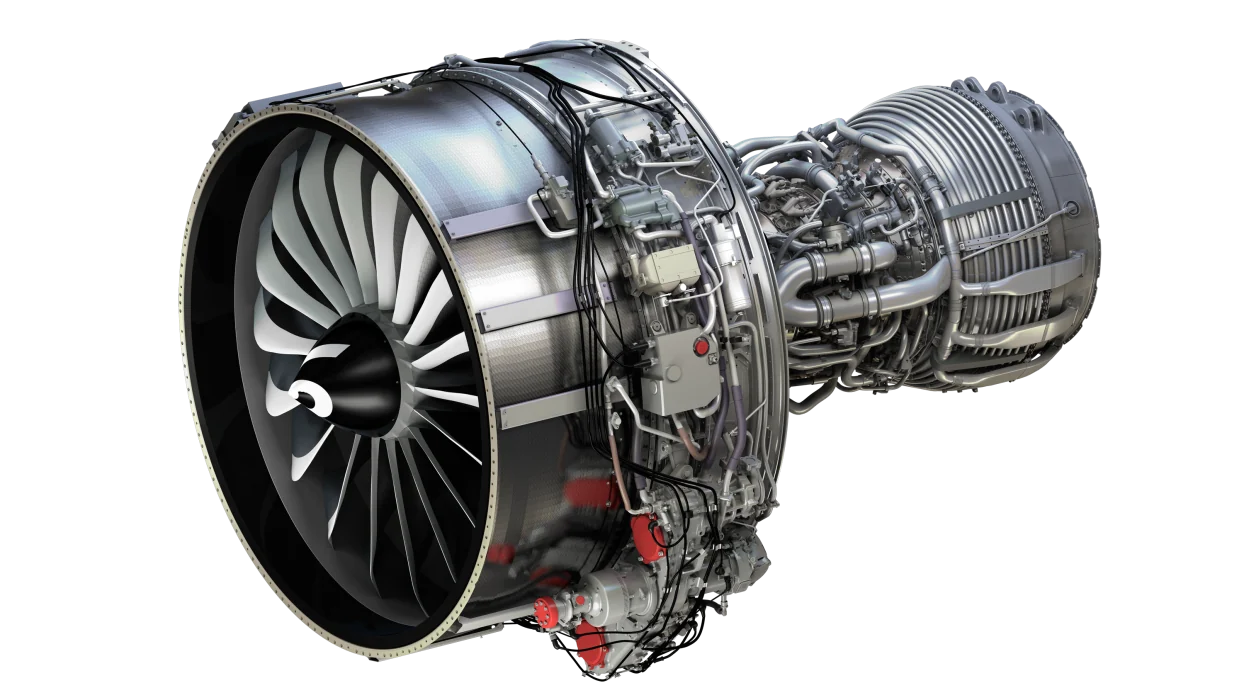
A crucial detail here is that the 737 Max uses the LEAP-1B engine whereas the A320neo uses the LEAP-1A.
 |
 |
|---|---|
| CFM LEAP-1B | CFM LEAP-1A |
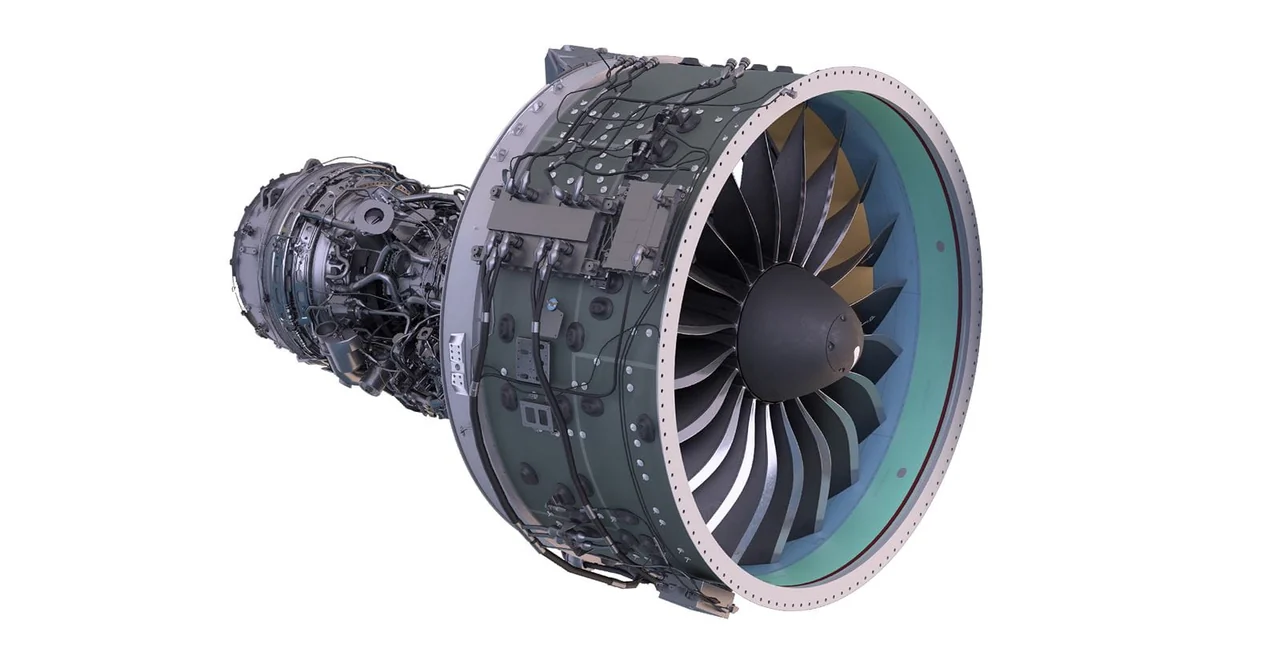
I uncovered another interesting fact: The A320neo can also be powered by a Pratt and Whitney GTF PW1100G-JM. Here’s what that one looks like:
This already points to another structural question we could tackle. Why does Boeing offer only one engine family while Airbus offers two?
Historically, Boeing has never offered competing engines simultaneously for the 737. The early versions used Pratt and Whitney JT8Ds and the subsequent Classic, NG and MAX generations used sole-source CFM engines. For the A320 family, Airbus has always adopted a dual supplier strategy and has carried that strategy into the neo program.